
Zinc Oxide Basics: A Beginners How-To Guide
Learn essential zinc oxide basics for health applications, including properties, therapeutic uses, proper application techniques, and safety considerations for optimal wellness benefits….

Learn essential zinc oxide basics for health applications, including properties, therapeutic uses, proper application techniques, and safety considerations for optimal wellness benefits….

Clinic software is the digital systems healthcare practices use to schedule visits, document care, bill insurers, and manage operations. Choosing it on the lowest purchase price can be expensive: a seemingly cheap platform may require costly integrations, extra staff work, billing corrections, downtime, or a disruptive replacement. The American Medical Association reported that U.S. physicians…

Cancer screening looks for certain cancers in people who do not have symptoms; diagnostic testing investigates symptoms or an abnormal screening result. Waiting too long to get an appropriate test can mean losing an opportunity to find a cancer earlier, when treatment may be more effective—but the consequences depend on the cancer, the test, and…

Scientific brilliance can identify a promising idea, but funding helps turn it into experiments, equipment, skilled work, and evidence that others can test. Research funding is financial support for conducting and developing research; it matters because scientific progress depends not only on good questions, but also on the resources and time needed to answer them….
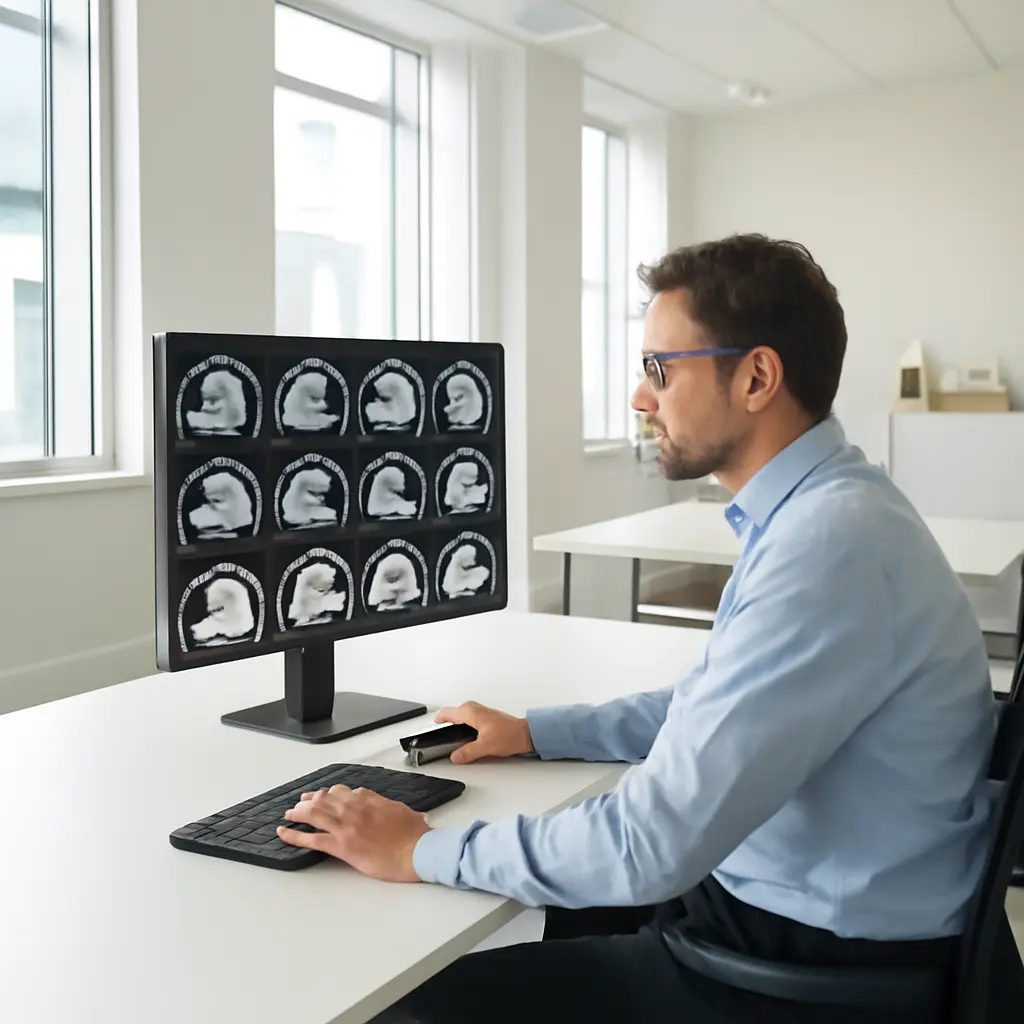
Diagnostic accuracy is the ability to identify a condition correctly using the evidence available—not simply to produce a sharp image. In medical imaging, spatial resolution describes how well a system distinguishes small or closely spaced structures, but it does not establish whether a finding is clinically meaningful or whether the interpretation is correct. Diagnostic performance…
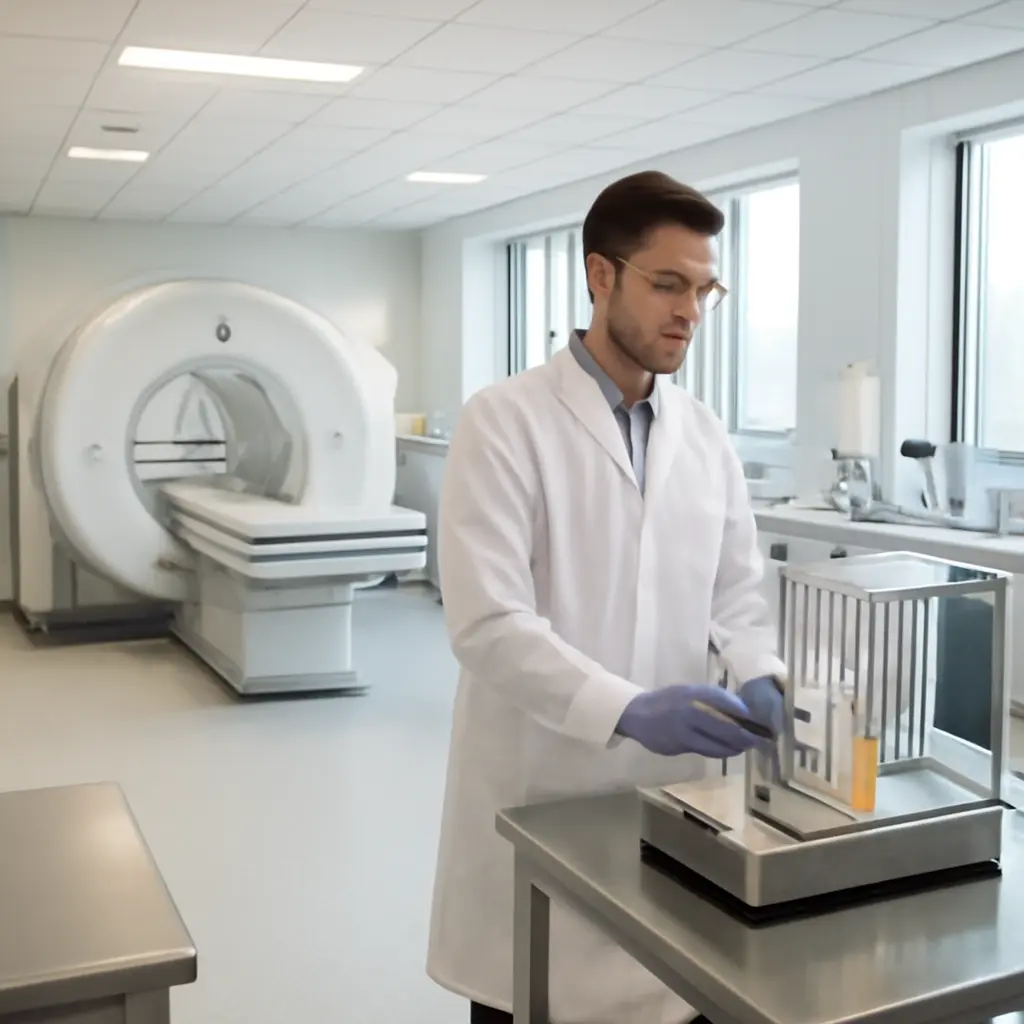
Nuclear medicine is a medical specialty that uses small amounts of radioactive substances to study how organs and tissues function. In a nuclear medicine lab, specialists prepare and test radiopharmaceuticals, then use imaging systems such as PET and SPECT to map biological activity—including changes associated with cancer. These scans can help clinicians locate disease, assess…

Hospitals are using artificial intelligence, connected sensors, blockchain, robotics, and cloud-based data platforms to change how they buy, track, store, and distribute supplies. These technologies address a costly, high-stakes problem: the U.S. healthcare supply chain is complex and vulnerable to disruptions, while shortages can affect patient care and staff workload. The technologies do not work…

Medical device warehousing is the controlled storage and movement of products such as implants, diagnostic equipment, and sterile instruments. Its quiet revolution is the shift from treating warehouses as passive storage space to managing them as traceable, risk-controlled parts of the healthcare supply chain. Driven by stricter quality expectations, product complexity, and digital tracking, this…
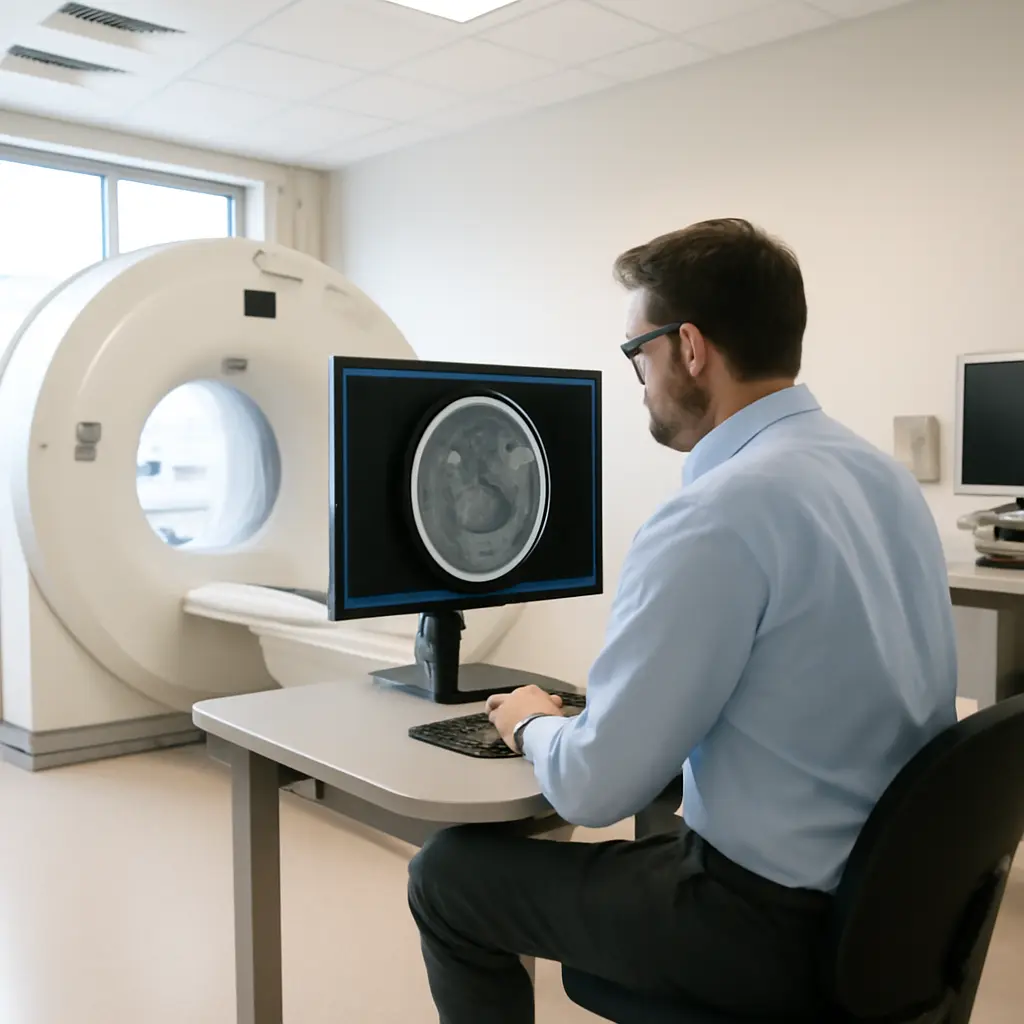
Advanced medical imaging combines technologies such as MRI, CT, PET, ultrasound, and image-guided procedures to show clinicians what is happening inside the body and help them tailor diagnosis and treatment. Rather than relying on a single scan, hospital teams may combine images with laboratory results, pathology, and a patient’s symptoms to select a therapy, plan…

Radiopharmaceuticals are medicinal products that contain a radioactive atom and are used to diagnose disease or deliver radiation to a targeted area. Doctors often wish patients knew that these medicines are not all the same: some create images that help find or monitor disease, while others are designed to treat it. Their benefits and risks…